
Non-hormonal treatments are often sought by women experiencing menopausal symptoms. It's important to note that most non-hormonal treatments primarily address vasomotor symptoms such as hot flushes and night sweats.

Lifestyle Modifications
Many women may benefit from lifestyle adjustments, including smoking cessation, dietary improvements, weight management if necessary, and regular physical activity. While these changes may not directly reduce symptoms, they can enhance overall well-being and potentially improve symptom tolerance. Additional strategies such as layered clothing, use of breathable fabrics, and moderation of spicy foods, alcohol, hot drinks and caffeine intake may also provide relief.

Physical Activity and Mind-Body Practices
While exercise and yoga have not shown strong evidence in managing menopausal symptoms specifically, they are associated with numerous health benefits for women in midlife and are generally recommended as part of a healthy lifestyle.

Cognitive Behavioral Therapy (CBT)
Cognitive Behavioral Therapy (CBT) has shown significant effectiveness in enhancing various aspects of menopausal well-being. Specifically, it has been found to improve sleep quality, stabilize mood fluctuations, and positively influence how women perceive and cope with vasomotor symptoms. Moreover, some research indicates that CBT may contribute to a measurable decrease in the frequency of hot flashes and night sweats, though this effect varies among individuals. The therapy's multifaceted approach addresses both the physical and psychological dimensions of menopausal symptoms, potentially offering a comprehensive non-hormonal management strategy.
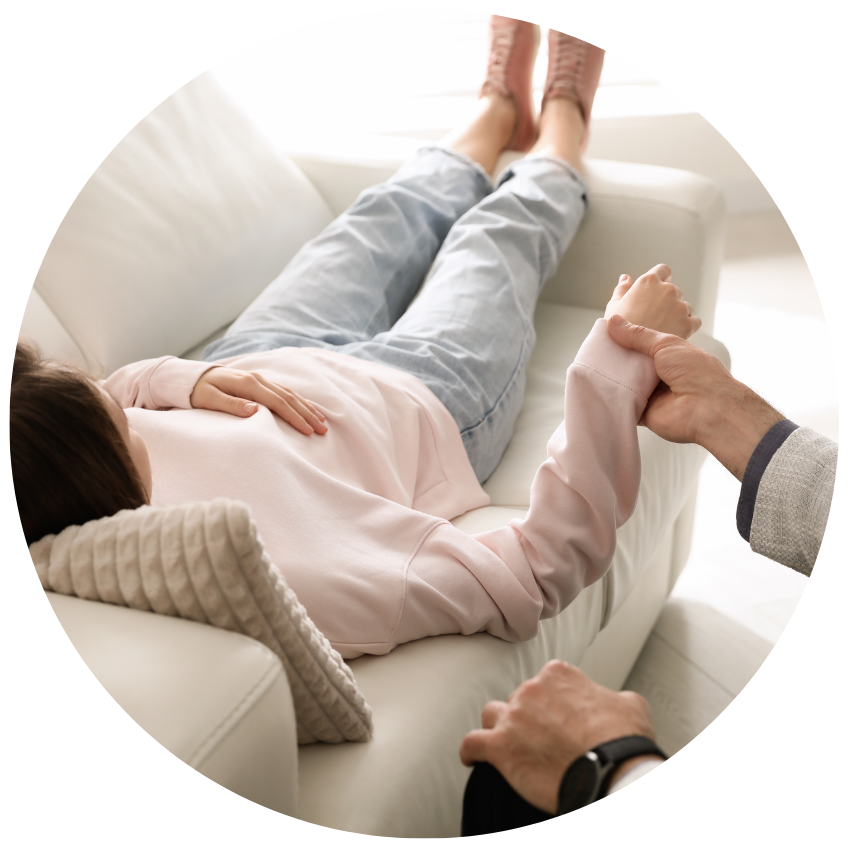
Hypnotherapy
Clinical studies have shown that hypnosis can reduce both the severity and frequency of vasomotor symptoms. It has also shown promise in alleviating anxiety and improving sleep quality. While mindfulness, paced respiration, and relaxation therapies have been investigated for menopausal symptom management, current evidence is insufficient to support their routine use.

Complementary and Alternative Therapies
These may include herbal supplements and topical preparations marketed for menopausal symptom relief. However, robust scientific evidence supporting the efficacy of alternative therapies in managing menopausal symptoms is limited.
While some studies suggest the potential benefits of soy-based products or extracts in reducing vasomotor symptoms, the evidence is inconsistent. A meta-analysis found no significant overall benefit in treating menopausal symptoms.
Black cohosh has shown promise in some trials for reducing hot flashes and improving mood in menopausal women. A meta-analysis reported comparable effects to low-dose hormone therapy, with a favourable safety profile. However, more research is needed to confirm these findings.
-
Certain antidepressants, particularly SNRIs and SSRIs, have shown efficacy in reducing hot flushes in small, short-term studies. A four-week trial is typically sufficient to determine effectiveness. It's crucial to note that these medications should not be combined with other antidepressants or St. John's Wort, and discontinuation should be gradual.
Venlafaxine and Desvenlafaxine (SNRIs): These medications affect serotonin and noradrenaline levels, which may influence thermoregulation.
Optimal results have been observed with venlafaxine 75mg SR.
Potential side effects include dry mouth, nausea, sleep disturbances, decreased appetite, and constipation. Venlafaxine is contraindicated in women with cardiac disease, electrolyte imbalances, or uncontrolled hypertension. Regular blood pressure monitoring is advised, and discontinuation should be tapered.
Studies have shown that 75mg of SR venlafaxine is comparable to low-dose oestrogen (25 mcg) for managing hot flushes.
SSRIs (e.g., paroxetine, fluoxetine, fluvoxamine, sertraline, citalopram, escitalopram): Limited comparative data exists on the relative efficacy of different non-hormonal agents. A systematic review identified Venlafaxine 75mg CR, Escitalopram 10-20mg, and Gabapentin 900mg as effective options for managing hot flushes in breast cancer survivors.
Knowledge gaps: Few studies have compared antidepressants with standard-dose hormone therapy for hot flush management. The long-term effects of these medications in otherwise healthy women remain unclear.
Side effects: Dosages for hot flush management are typically lower than those used for depression treatment. Initiating therapy at very low doses may minimize side effects. Dose adjustments can be made after one week if necessary. For women experiencing drowsiness, evening administration may be preferable. Common side effects include dry mouth, nausea, diarrhea, headaches, insomnia, restlessness, fatigue, and sexual dysfunction. Abrupt discontinuation may lead to headaches and anxiety, necessitating a gradual tapering approach.
Considerations for breast cancer patients on tamoxifen: Concerns have been raised about potential interactions between certain SSRIs (paroxetine and fluoxetine) and tamoxifen metabolism. While the clinical significance remains uncertain, it may be prudent to consider alternative SSRIs as first-line options in this patient population.
-
Gabapentin, an anticonvulsant and structural analogue of gamma-aminobutyric acid, is approved for the treatment of seizures and neuropathic pain.
Evidence: A systematic review has confirmed that Gabapentin at a dose of 900mg daily is more effective than placebo in reducing hot flushes. The most common side effect is somnolence, which may be mitigated by evening administration.
A 12-week randomized controlled trial comparing high-dose gabapentin (2400mg daily) with oestrogen (Premarin 0.625mg daily) and placebo found a significant placebo effect (54% reduction in hot flush severity and frequency). Gabapentin demonstrated comparable efficacy to oestrogen (71% and 72% reduction, respectively).
Knowledge gaps: Higher doses may offer increased efficacy but may also be associated with more side effects. Long-term studies are currently lacking.
Dosing strategy: Initiate treatment at a low dose (100mg three times daily for three days), then titrate up to 300mg three times daily. Many women report symptom improvement within days of starting treatment.
Adverse effects: Common side effects include rash, dizziness, and somnolence, which often improve over time. Peripheral edema and weight gain may also occur. Gradual discontinuation over one week is recommended.
-
This anticholinergic and antimuscarinic agent, primarily used for managing urinary urgency and overactive bladder, has demonstrated efficacy in reducing moderate to severe vasomotor symptoms in several studies.
Dosing: Effective doses have ranged from 2.5mg-5mg twice daily to 15mg of an extended-release formulation once daily.
Side effects may include xerostomia (dry mouth), xerophthalmia (dry eyes), confusion, and urinary symptoms. Caution is advised in elderly patients due to the potential risk of cognitive decline.
-
Clonidine, a centrally-acting alpha-adrenergic agonist, has historically been used for hypertension management, migraine prophylaxis, and hot flush treatment. However, recent studies have found it less effective than other non-hormonal options for vasomotor symptom management. Given its side effect profile and the availability of more efficacious alternatives, clonidine is no longer recommended as a first-line treatment for vasomotor symptoms.
Dosing: When used, oral doses typically start low (e.g., 25 micrograms twice daily) and are titrated up to 75 micrograms twice daily. Some patients may require up to 150 micrograms twice daily.
Adverse effects include xerostomia (dry mouth), somnolence, dizziness, constipation, and insomnia. If no benefit is observed after four weeks, discontinuation is advised. High doses should be tapered gradually to avoid rebound hypertension.
