
The most common symptoms of menopause can vary in intensity and frequency from woman to woman.
It's important to note that the menopausal experience is highly individual. While some women may experience multiple symptoms with significant intensity, others may have only a few mild symptoms. The variability in symptom presentation underscores the importance of personalised care and management strategies during this phase of life.

Menstrual irregularities: Periods may become unpredictable, heavier, or lighter than usual.

Sleep disturbances: Difficulty falling asleep or maintaining sleep throughout the night.
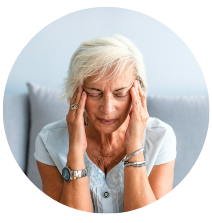
Neurological symptoms: Headaches and difficulty concentrating or remembering details.

Skin and mucous membrane changes: Dryness affecting the skin, eyes, and mouth.

Changes in libido: Fluctuations in sexual desire.
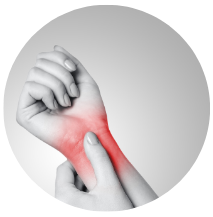
Musculoskeletal issues: Joint and muscle aches or pains.

Breast changes: Tenderness or increased sensitivity

Hair changes: Thinning or loss of hair on the scalp, face, or body.
Vasomotor symptoms: Hot flashes (sudden feelings of warmth) and night sweats, which can disrupt sleep patterns.

Mood fluctuations: Increased irritability, anxiety, or depressive episodes, often accompanied by worsening premenstrual syndrome (PMS).

Genitourinary symptoms: Vaginal dryness leading to discomfort during intercourse, and increased urinary urgency.

Metabolic changes: Tendency towards weight gain, particularly around the midsection.


Cardiovascular symptoms: Palpitations or a sensation of a racing heart.